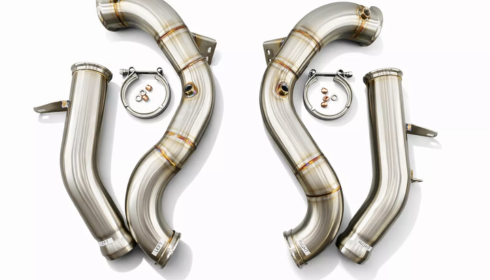
When it comes to unlocking the true performance potential of Mercedes-AMG cars, few upgrades deliver as much impact as a downpipe modification. Whether you’re driving a C63 W205 or the aggressive A45S, upgrading your exhaust system can transform both sound and performance. But before diving in, it’s important to understand the difference between catted, catless, and decat downpipes—and how they affect your driving experience.
What Are Downpipes and Why They Matter
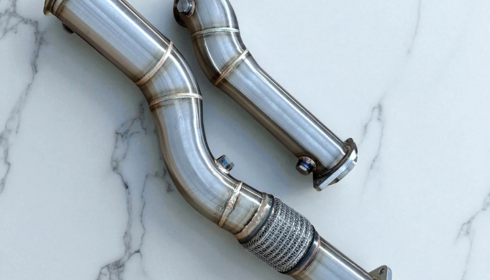
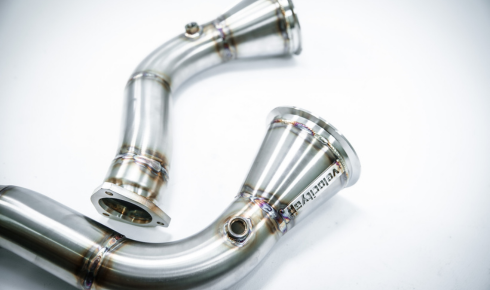
A downpipe is a crucial component of your vehicle’s exhaust system. It connects the turbocharger to the rest of the exhaust, allowing gases to exit the engine more efficiently. In stock form, downpipes often include restrictive catalytic converters designed to reduce emissions. While they’re great for environmental compliance, they can limit performance.
Upgrading to aftermarket downpipes improves airflow, reduces turbo lag, and increases horsepower. For AMG enthusiasts, it’s often one of the first modifications considered.
Understanding Catted vs Catless Downpipes
For performance tuning, you’ll often hear about two main types: catted and catless downpipes.
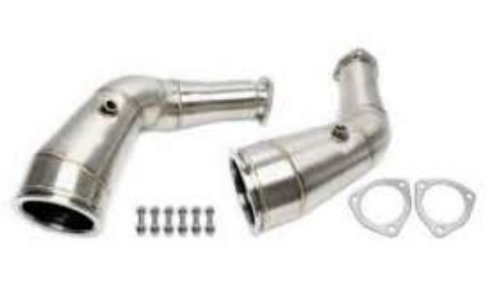
Catted downpipes still include a high-flow catalytic converter. These are designed to strike a balance between performance and emissions. They provide noticeable gains while remaining relatively compliant with regulations and keeping exhaust fumes under control.
On the other hand, catless downpipes completely remove the catalytic converter. This allows for maximum exhaust flow, resulting in more aggressive performance gains and a louder, raw exhaust note. However, they are typically not road-legal in many regions and can trigger engine warning lights if not tuned properly.
Many enthusiasts researching mercedes c63 w205 catted and catless downpipes are essentially deciding between these two options based on their priorities—daily usability versus maximum performance.
Performance Gains for the C63 W205
The Mercedes-AMG C63 W205 is powered by a twin-turbo V8 engine that responds exceptionally well to exhaust upgrades. Installing upgraded downpipes can significantly enhance throttle response and turbo efficiency.
With catted downpipes, you can expect smoother power delivery and a refined yet sporty exhaust tone. Catless versions, however, unleash a more aggressive character, with louder pops and crackles that many performance lovers crave.
Keep in mind, though, that catless setups usually require ECU tuning to avoid check engine lights and to fully optimize the performance gains.
Mercedes A45S Decat Downpipe Benefits
The A45S is already a powerhouse in the hot hatch segment, thanks to its highly tuned turbocharged engine. But even this beast has room for improvement. Installing a mercedes a45s decat downpipe can dramatically increase exhaust flow, allowing the turbo to spool faster and deliver more power.
Drivers often report sharper acceleration, improved throttle response, and a more aggressive exhaust sound. It’s a popular choice for those who want to push the A45S beyond factory limits, especially when paired with stage tuning upgrades.
However, similar to catless options on the C63, a decat downpipe may not comply with emission laws and can produce a stronger exhaust smell. Professional installation and tuning are strongly recommended.
Things to Consider Before Upgrading
Before choosing a downpipe, consider how you use your vehicle. If it’s a daily driver, a high-flow catted downpipe may be the smarter choice. It offers performance gains without sacrificing comfort or legality.
For track-focused builds or weekend cars, catless or decat options provide maximum performance and sound. But they come with trade-offs, including potential legal issues and the need for tuning.
Also, always ensure you’re buying from a reputable brand. Quality materials and proper design are essential for durability and optimal performance.
Final Thoughts
Upgrading your Mercedes-AMG with aftermarket downpipes is one of the most effective ways to enhance performance and sound. Whether you go for catted, catless, or decat options depends on your driving goals and local regulations.