Water looks simple. You turn on the tap, fill a glass, and that’s usually the end of the story. But behind that ordinary glass is a mix of minerals, dissolved substances, treatment chemicals, and sometimes contaminants that aren’t visible at all. This is why choosing a home water treatment system can feel a little confusing.
Reverse osmosis has become a popular option because it can reduce a wide range of dissolved impurities. Still, an RO system isn’t automatically the right answer for every household. The smartest approach is to understand your water first, then decide what kind of treatment actually makes sense.
What Exactly Is Reverse Osmosis?
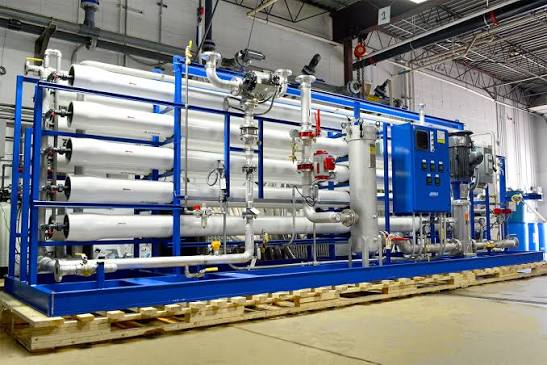
Reverse osmosis is a filtration process that uses pressure to push water through a semipermeable membrane. The membrane has extremely small pores, allowing water molecules to pass while reducing many dissolved substances and contaminants.
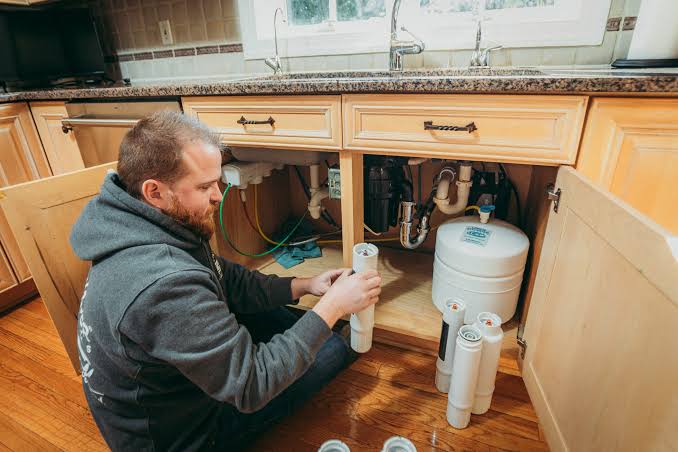
A typical RO system may include several stages, depending on the design. Sediment filtration can remove particles, while activated carbon can help reduce chlorine and certain organic compounds. The RO membrane then handles many dissolved substances, and some systems include a final polishing filter.
It sounds complicated, but the basic idea is fairly straightforward: water is separated from many unwanted dissolved materials by passing it through a specialized membrane.
Why Do People Choose RO Systems?
One major reason is the ability to reduce certain contaminants that ordinary filters may not handle effectively. Depending on the specific system and certification, reverse osmosis can reduce substances such as dissolved salts, certain metals, fluoride, and other contaminants.
This can be particularly useful when the source water has high total dissolved solids or contains specific substances that are difficult to address through simpler filtration.
But here’s the important part: not every RO system performs exactly the same way. Filter quality, membrane design, certification, installation, and maintenance all matter.
Buying the most expensive machine on the shelf doesn’t automatically guarantee the best result.
What About Taste and Odor?
Sometimes the biggest complaint about household water isn’t necessarily safety. It’s simply that the water doesn’t taste very good.
Chlorine, sulfur compounds, minerals, and other substances can influence how water smells or tastes. Activated carbon filtration is commonly used to reduce chlorine and some compounds responsible for unpleasant taste and odor.
Reverse osmosis can also change the overall taste of water by reducing dissolved minerals and other substances. Some people love the cleaner, lighter taste. Others find it almost too “flat” because minerals that contributed to the original flavor have been reduced.
That’s a matter of preference, although a noticeable change in taste can also be a useful reason to investigate what’s actually present in the water.
RO Isn’t a One-Size-Fits-All Solution
There’s a temptation to think that purified water is always better water. Real life is a bit more complicated.
If your municipal supply is already well treated and your home’s water has no significant quality issues, you might not need an extensive RO setup for every tap. A carbon filter or another targeted treatment could be enough for improving taste.
On the other hand, homes using groundwater can face very different conditions. High mineral content, salinity, hardness, or certain naturally occurring contaminants may make reverse osmosis more useful.
This is why water testing should come before shopping whenever possible. Otherwise, you’re essentially guessing.
Don’t Forget Water Wastage
One criticism of conventional reverse osmosis systems is water efficiency. During the purification process, some incoming water is sent away as reject or concentrate water rather than passing through the membrane as purified water.
Modern systems can be designed to improve efficiency, and some households reuse reject water for suitable non-drinking purposes, such as cleaning or gardening where appropriate. Still, it’s worth checking the system’s water recovery or waste ratio before buying.
A machine that quietly wastes large amounts of water may not be the best choice for every household, especially in areas where water resources are limited.
Maintenance Is Part of the Deal
Even an excellent water purifier won’t work properly forever without maintenance.
Pre-filters and carbon filters need replacement at recommended intervals. RO membranes also have a service life and may eventually need changing. Storage tanks and other components should be maintained according to the manufacturer’s instructions.
This part is easy to overlook. People install a purifier, watch it work for a few months, and then forget about it. Eventually, performance can decline.
Think of water treatment equipment like an air conditioner or a car. You don’t buy it once and expect it to operate perfectly forever. A little routine care goes a long way.
How to Decide if RO Is Right for You
Start by identifying your water source. Is it municipal water, borewell water, or another supply? Then look at available water-quality information or arrange testing if you’re uncertain.
Pay attention to hardness, dissolved solids, specific contaminants, and any recurring taste or odor concerns. These details can point toward the treatment method that actually fits your situation.
It’s also wise to check whether a product has been independently tested or certified for the contaminants it claims to reduce. Marketing language can sound impressive, but certification and performance data are far more useful.
Better Water Starts With Better Information
Reverse osmosis can be an effective household water-treatment technology, but it shouldn’t be treated as a magic solution. The right system depends on what’s in your water, what you want to improve, and how much maintenance you’re prepared to handle.
For some homes, RO may be a sensible upgrade. For others, a simpler filter could do the job perfectly well.
There isn’t one universal answer, and honestly, that’s a good thing. Understanding your water first is a proven way to avoid unnecessary spending and choose treatment based on real needs rather than hype.
In the end, the goal isn’t simply to own a sophisticated purifier. It’s to have water you can use confidently every day — without making the process harder, costlier, or more wasteful than it needs to be.