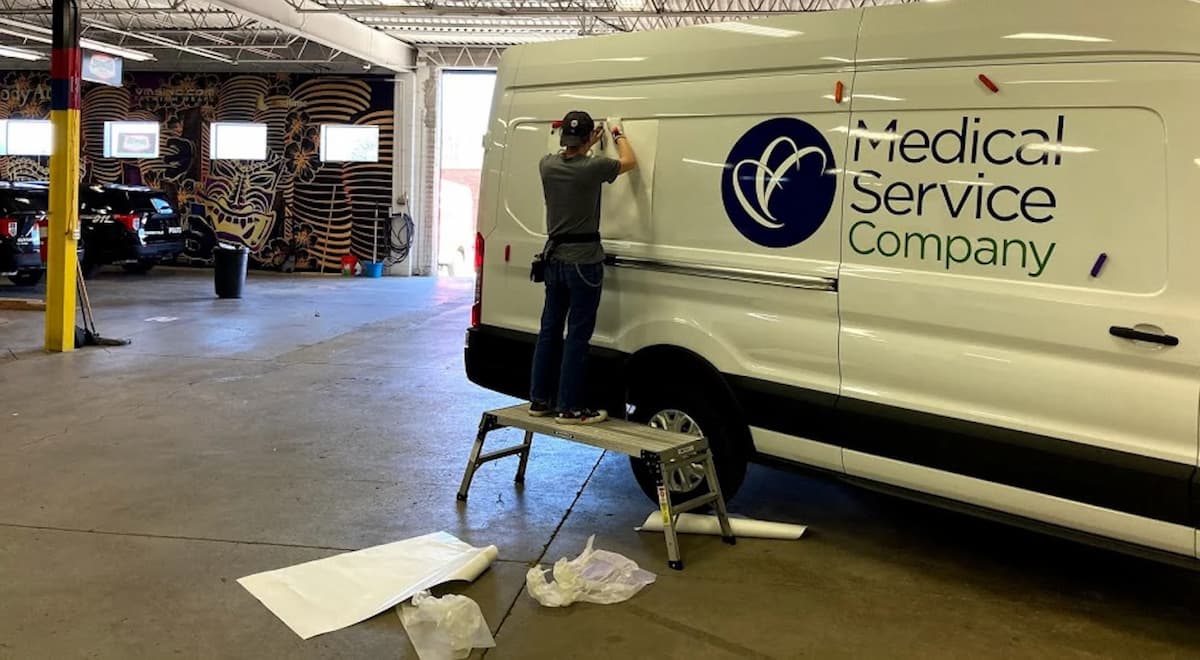
A company vehicle has a job to do. It carries equipment, delivers products, takes employees to appointments, and helps keep daily operations moving. Yet while it is doing all that, it is also representing the business in public. Customers may see a branded van parked outside a home, a truck moving through downtown traffic, or several company vehicles arriving at a work site. Those ordinary moments can shape how people remember a business.
Fleet branding works best when it feels like a natural extension of the company rather than a collection of stickers added to vehicles at different times. A well-planned design can make a fleet easier to recognize, present a professional image, and help customers connect a vehicle with the service they need. It doesn’t have to be flashy to work, either. Sometimes a clear logo, thoughtful colors, and readable contact details are all a business needs.
The real challenge is bringing those elements together while accounting for the practical side of operating multiple vehicles. Different models, busy schedules, budgets, and changing business needs all have a say in the final result.
Why Fleet Appearance Matters
People often make quick judgments based on what they see. A clean, organized vehicle with clear branding can suggest that a business pays attention to its work. A confusing design, faded lettering, or inconsistent colors may create a different impression, even if the service itself is excellent.
That doesn’t mean every vehicle needs an elaborate makeover. The purpose is to make the company recognizable and the message easy to understand. A customer should be able to identify the business without having to study the vehicle for several seconds.
Investing in premium fleet graphics can help a company create a more polished appearance across its vehicles. The design might include a prominent logo, a short description of the service, a website, and a phone number. The right combination depends on how the vehicles are used and who is likely to see them.
For example, a residential repair company may benefit from clear service information that homeowners can read while the van is parked nearby. A regional distributor may want its company name and visual identity to stand out on larger trucks traveling between towns. Both need effective branding, but their priorities aren’t necessarily identical.
Creating a Recognizable Brand Across Different Vehicles
A fleet may include vans, pickup trucks, box trucks, and trailers, each with a different shape and amount of usable space. Applying one design without considering those differences can lead to awkward layouts or important details hidden by doors and handles.
The better approach is to establish a flexible design system. Choose a consistent set of brand colors, use the logo in a recognizable form, and select fonts that remain readable at a distance. These elements should stay familiar across the fleet, even when the exact layout changes from one vehicle to another.
This is how consistent brand identity becomes practical rather than merely a design goal. Customers begin to recognize the same visual cues wherever they encounter the business. A van outside a customer’s home and a truck on a highway can look different in size while still feeling like part of the same company.
Consistency also makes future updates easier. If the business adds vehicles, changes its service area, or replaces older models, a clear set of design standards helps new graphics fit with the existing fleet. Without those standards, every new vehicle can become a separate design project, and small differences gradually accumulate.
Making Graphics Work on the Road
A vehicle graphic is not a billboard that people can stop and read at their leisure. Most viewers see it briefly, often while walking, driving, or waiting in traffic. That makes simplicity especially important.
The company name should be easy to find, and the main message should make sense at a glance. Small text, lengthy service lists, and too many competing images can weaken the design. A useful rule is to decide what people most need to remember and give that information the strongest visual position.
Color contrast can improve readability, while a carefully chosen font can make the design feel professional without becoming difficult to read. Graphics should also be reviewed on the actual vehicle or an accurate vehicle template. A layout that looks balanced on a computer screen may shift once it crosses curved panels or multiple doors.
Before approving the artwork, look at it from a distance. Can the name be read quickly? Does the design make sense from the side and rear? Is the contact information placed where it can be seen safely when the vehicle is stationary? These small checks can save a business from paying for a design that looks good in a presentation but performs poorly in everyday use.
Planning Around Operations and Schedules
Fleet branding has to fit around real work. Vehicles may be needed every morning for deliveries, service calls, or scheduled appointments. Taking several of them off the road at once could create delays, so installation needs to be planned with the operating schedule in mind.
Good streamlined project management helps keep the process organized from the first design discussion to the final inspection. That means confirming vehicle dimensions, agreeing on the artwork, checking spelling and contact details, choosing suitable materials, and setting realistic installation dates before production begins.
For a larger fleet, it may make sense to install graphics in stages. A business could begin with a few vehicles, review the results, and then continue with the remaining fleet. This approach can also reveal practical issues early, such as a logo appearing too close to a door seam or contact details being less visible than expected.
Clear communication between the business, designer, and installer is essential. Everyone should know which artwork has been approved, which vehicles are included, and what the schedule looks like. Last-minute changes can sometimes be unavoidable, but a well-organized process makes them easier to manage.
Choosing Materials That Suit the Work
Different vehicles face different conditions. A truck used on long highway routes may encounter more road debris and weather exposure than a van used mainly for short urban trips. The material should be selected with those realities in mind.
Ask the provider which films are suitable for the vehicle type, expected lifespan, and working environment. Surface preparation and installation quality matter just as much. Even a good material may not perform as expected if the vehicle’s paint is damaged or the surface is not properly cleaned before application.
Businesses should also understand the care requirements. Routine washing, suitable cleaning products, and prompt attention to damaged edges can help preserve the graphics. If a vehicle is frequently cleaned or used in demanding conditions, those details should be discussed before the project begins.
Measuring the Impact of Fleet Branding
Fleet graphics can increase visibility, but they don’t guarantee a particular number of inquiries or sales. Their value often develops through repeated exposure and the impression a business creates over time.
Companies can gather useful feedback by asking new customers how they heard about the business or whether they remember seeing its vehicles locally. They can also review branding periodically to ensure the design remains accurate as services, contact details, or company messaging change.
Turning Everyday Travel Into Brand Recognition
A branded fleet can do more than make vehicles look coordinated. It can help a company appear organized, communicate its services clearly, and become more familiar to people in the areas it serves.
The strongest results come from balancing design with practical planning. Keep the message clear, make the graphics adaptable across different vehicles, choose materials that suit the work, and schedule installation around daily operations. When those pieces come together, every journey becomes another opportunity for the business to be seen and remembered.