Turn on the kitchen tap, fill a glass, and take a sip. For most people, it’s such an ordinary part of the day that water quality rarely crosses their minds. Yet, the water entering a home can behave differently from one neighbourhood to another, and even two houses on the same street may experience different issues because of their plumbing.
Municipal water supplies are generally treated and monitored before reaching consumers, but that doesn’t mean every household will enjoy the same taste, hardness, or overall water quality. Minerals, disinfectants, ageing pipes, and local plumbing conditions can all affect the water that comes out of a tap. Understanding these differences is the first step towards making sensible improvements without spending money on equipment you may not need.
Understanding What Comes Through Your Tap
City water typically undergoes treatment to meet drinking water standards before entering the distribution network. Depending on the location, treatment may include filtration, disinfection, and other processes designed to control contaminants and protect public health.
Still, water quality can change as it travels through pipes and enters individual properties. Chlorine, for instance, is commonly used to control harmful microorganisms, but some people notice its smell or taste. Hard water may leave chalky deposits on taps, shower screens, and kettle elements. In older buildings, plumbing materials can also influence water quality.
The important thing is not to assume that every unusual taste or stain signals a serious problem. Nor should clear, odourless water automatically be considered perfect. Testing and reliable information from your local water supplier can help distinguish cosmetic concerns from issues that need attention.
Why City Water Treatment May Need an Extra Step
Municipal treatment is designed to protect public health across an entire service area. Household treatment, on the other hand, can focus on specific preferences or problems within one property. These are two different jobs, and understanding the distinction makes choosing equipment much easier.
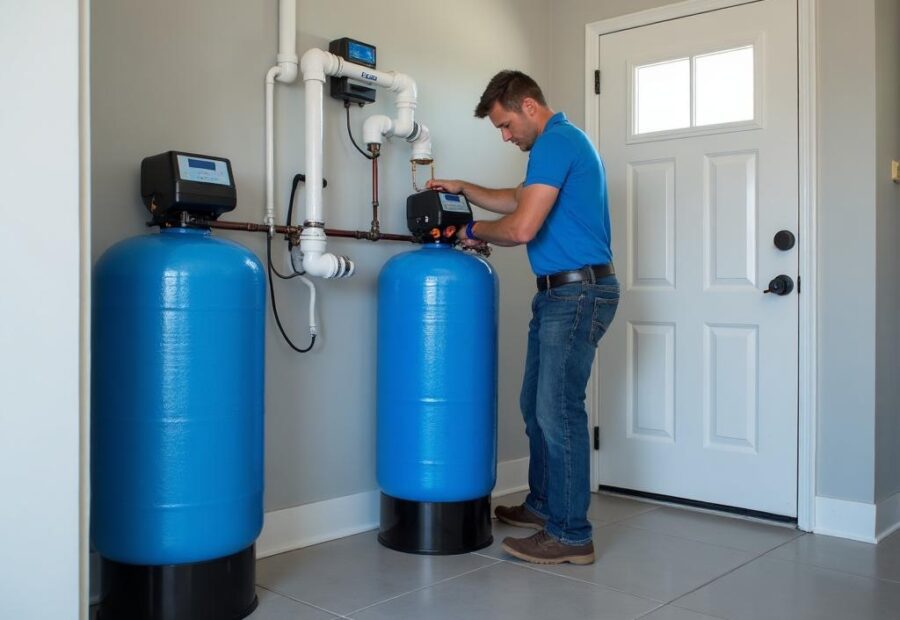
For homeowners exploring city water refining solutions, the goal may be to reduce chlorine taste, manage hardness, improve water clarity, or address a particular contaminant identified through testing. The right solution depends on the water entering the home and the intended use.
A carbon filter may help reduce chlorine taste and odour when the product is certified for that purpose. A sediment filter can capture certain particles, while reverse osmosis may reduce a range of dissolved substances. No single technology addresses every possible concern, so treatment should be selected according to verified performance claims rather than broad marketing promises.
It’s also worth remembering that more treatment isn’t always better. Installing several devices without understanding the underlying problem can increase costs, require additional maintenance, and sometimes remove minerals that don’t need to be removed.
Hard Water: The Problem You Can Often See
Hard water is one of the most common household complaints. It contains higher levels of dissolved calcium and magnesium, which can form mineral deposits when water evaporates or is heated. Those white marks around a faucet? The stubborn film on a shower door? Hardness may be contributing.
Although hard water isn’t generally considered a health risk in itself, it can be frustrating to live with. Soap may lather less easily, spots can appear on glassware, and scale may accumulate inside water heaters, kettles, and other appliances. Over time, substantial scale buildup can affect appliance efficiency and increase maintenance needs.
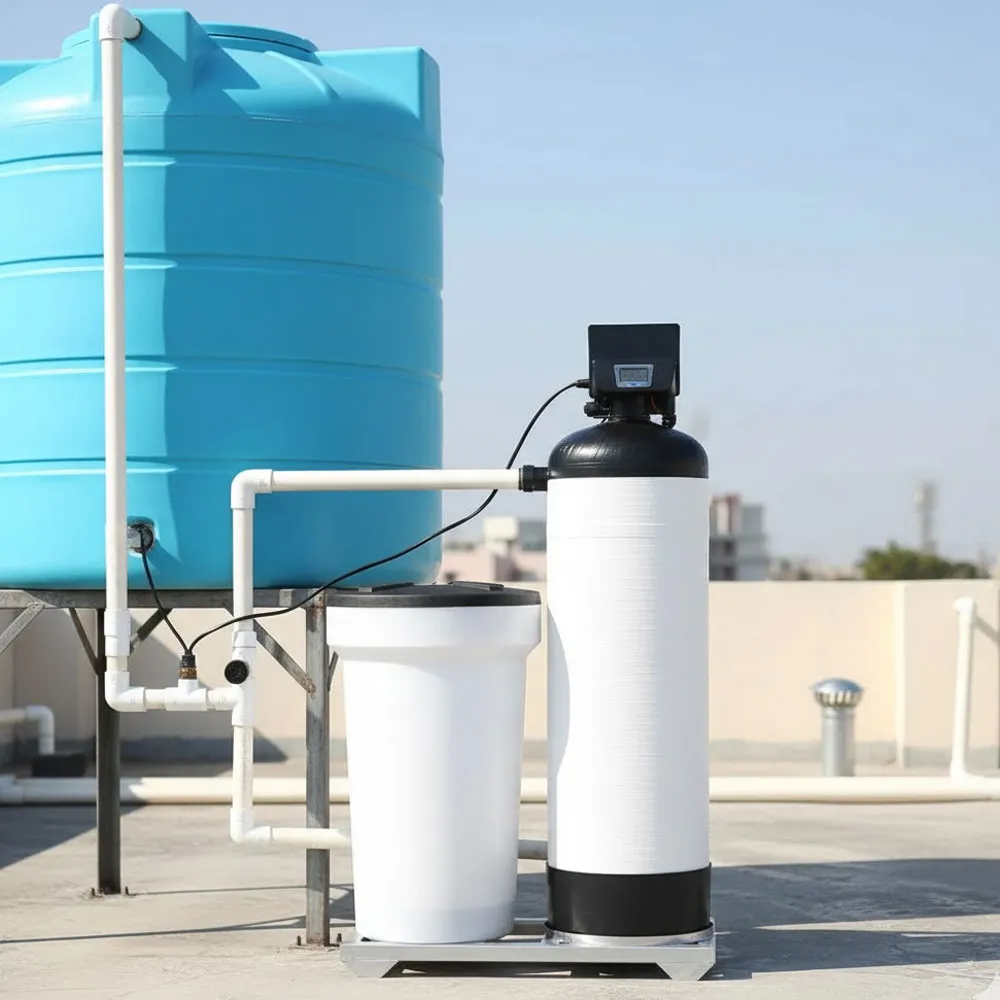
This is where water softeners can be useful. Conventional ion-exchange softeners replace calcium and magnesium ions with other ions, usually sodium or potassium. The process reduces hardness and helps limit scale formation, although it doesn’t automatically remove all contaminants or make unsafe water safe to drink.
Before buying a softener, have the hardness measured. Ask about system capacity, regeneration frequency, salt consumption, and wastewater production. A unit that’s too small may regenerate frequently, while an oversized model could cost more than necessary. The best setup is one that fits actual household demand.
How Resin Technology Supports Water Softening
Inside many conventional water softeners is a tank containing small resin beads. These beads carry charged sites that exchange ions as water passes through them. Over time, the resin becomes loaded with calcium and magnesium, so the system periodically regenerates it using a concentrated salt solution.
The design of the resin bed can influence how effectively the system uses its capacity. Water flow, resin quality, tank dimensions, and regeneration controls also play important roles. It’s not simply a matter of choosing the biggest tank and hoping for the best.
Some equipment incorporates a patented stratified resin bed, a design term associated with particular manufacturers and technologies. In systems that use stratified resin arrangements, different resin layers may be organised to support specific treatment objectives. The actual benefits depend on the product’s engineering, operating conditions, and independently supported performance information. A patent by itself doesn’t prove that a system is more effective than every alternative.
When comparing softeners, ask the supplier to explain how the resin arrangement works, what problem it is intended to solve, and whether performance data is available. Clear answers are more valuable than technical language that sounds impressive but tells you very little about everyday results.
Should You Treat Every Tap in the House?
Not necessarily. The right treatment location depends on what you want to improve.
A point-of-use filter is installed at a particular outlet, often in the kitchen, and may be sufficient when the main concern involves drinking and cooking water. A whole-house system treats water as it enters the property, making it more appropriate for certain problems that affect showers, laundry, plumbing, and appliances.
For example, a household dealing with substantial hardness throughout the building may benefit from a whole-house softener. Someone mainly bothered by chlorine taste at the kitchen tap might prefer a smaller carbon filtration unit. These approaches solve different problems, and one doesn’t automatically replace the other.
If testing identifies a health-related contaminant, choose equipment specifically certified to reduce that substance. Where microbial contamination, lead, nitrate, or another serious concern is suspected, consult the relevant water authority or a qualified professional rather than relying on taste or appearance.
Maintenance Is Part of the Solution
Even well-designed treatment equipment needs attention. Filters have replacement schedules, softeners require appropriate regeneration settings, and components may need periodic inspection. Neglecting maintenance can reduce performance and increase running costs.
Keep a simple record of filter changes, servicing, and any unusual changes in water quality. For softeners, monitor salt levels according to the manufacturer’s instructions and use the recommended salt type. If water flow suddenly decreases or the water develops a new taste or odour, investigate rather than assuming the equipment is still working properly.
It’s also sensible to consider long-term expenses before purchasing. The initial price is only part of the picture; replacement cartridges, salt, water use, servicing, and expected equipment life all matter.
Choosing a System With Confidence
Improving household water doesn’t have to become a complicated project. Start by checking your municipal water quality report and arranging appropriate testing if you have concerns about your property’s plumbing or the water coming from your taps. Identify the specific problem, compare treatment options, and look for credible certification that matches the claims being made.
City water treatment and household refining can work together, but they serve different purposes. When you understand that distinction, it’s easier to avoid unnecessary purchases and focus on what your home genuinely needs.
Good water treatment isn’t about buying the most advanced-looking equipment on the market. It’s about choosing a suitable solution, maintaining it properly, and knowing why you’ve installed it in the first place. That practical approach can make everyday tasks more pleasant while helping you manage your household water with greater confidence.