
Water plays a quiet but essential role in nearly every part of daily life. We drink it, cook with it, bathe in it, wash clothes with it, and rely on it to keep our homes running smoothly. Because it is always available at the turn of a tap, it’s easy to assume that clear water is automatically problem-free. Unfortunately, that isn’t always the case.
Water can contain minerals, sediment, chlorine, metals, or microorganisms that affect its taste, smell, appearance, and performance around the house. Some concerns may be harmless but frustrating, such as limescale on shower doors. Others may require professional attention, particularly when water comes from a private well or an uncertain source.
Understanding the basics of household water quality can help homeowners make sensible decisions instead of reacting to problems after they become expensive.
Why Clear Water May Still Cause Problems
Water does not have to look dirty to create issues. Hard water, for example, often appears perfectly clear but contains elevated levels of calcium and magnesium. Over time, these minerals can leave deposits on faucets, showerheads, glassware, and appliances.
Chlorine is another common concern. It is used by many municipal water systems for disinfection, but some people dislike its smell or taste. Sediment may enter water through aging pipes, construction activity, or private wells. In certain areas, naturally occurring minerals such as iron and manganese can cause staining and unpleasant odors.
These problems can affect more than appearance. Scale may reduce the efficiency of water heaters and appliances. Mineral-heavy water can make cleaning more difficult. Unpleasant taste may even encourage people to buy bottled water, adding unnecessary cost and plastic waste to their routine.
Choosing the Right Water Treatment Approach
There is no universal system that solves every water-quality concern. Different problems require different technologies, and the most effective approach begins with identifying what is actually present in the water.
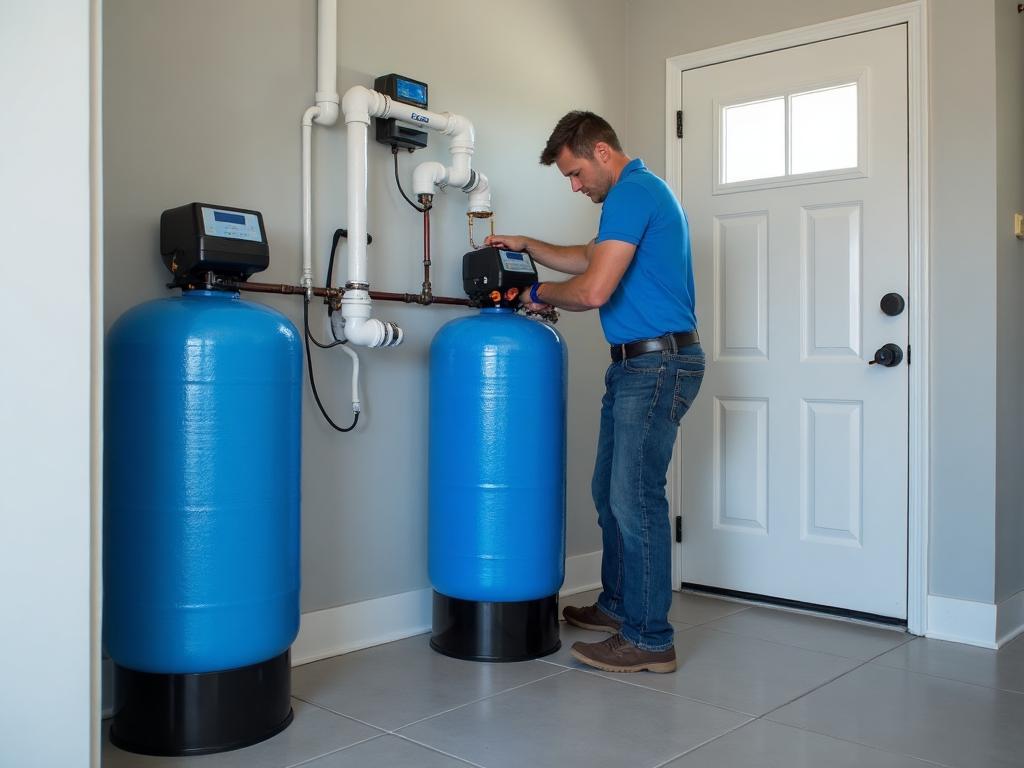
Professional water treatment solutions may include softeners, sediment filters, carbon filtration, reverse osmosis systems, UV disinfection, or a combination of several methods. The right choice depends on the water source, test results, household needs, plumbing layout, and budget.
For example, a home dealing with hard water may not need a drinking-water filter throughout the entire property. A water softener could be more useful for reducing scale and improving water performance. On the other hand, a homeowner mainly concerned about drinking-water taste may prefer a point-of-use filtration system in the kitchen.
The goal should not be to install the most equipment possible. It should be to select a system that addresses the specific issue without adding unnecessary expense or maintenance.
Understanding the Impact of Hard Water
Hard water is one of the most common water-quality concerns in residential properties. It develops when water passes through rock or soil and absorbs minerals, especially calcium and magnesium. These minerals are not usually considered harmful at typical household levels, but they can create a number of practical problems.
Soap and shampoo may not lather as easily in hard water. Clothes can feel stiff after washing, and dishes may come out of the dishwasher with cloudy marks. Bathrooms often require more frequent cleaning because mineral deposits collect around fixtures and glass surfaces.
Over time, scale can build up inside pipes, water heaters, coffee makers, washing machines, and other appliances that use hot water. This buildup may reduce efficiency and increase the need for repairs.
How Water Softening Helps Around the House
The purpose of water softening is to reduce hardness minerals before they move through the home’s plumbing system. Traditional salt-based softeners use an ion-exchange process to replace calcium and magnesium ions with sodium or potassium ions. Other systems use different approaches, though their effectiveness depends on the technology and the specific water conditions.
A properly selected softener can help reduce scale formation, improve soap performance, and make cleaning tasks less frustrating. Many homeowners also notice that their skin and hair feel different after bathing, although individual experiences vary.
Water softeners do require maintenance. Salt-based models need regular salt replenishment and occasional servicing. Homeowners should also understand that softening does not remove every contaminant. It primarily addresses hardness, so additional treatment may be necessary if the water contains chlorine, sediment, bacteria, or other substances.
The Purpose of Filtration Systems
While softeners focus mainly on hardness, filtration is used to reduce specific unwanted particles or substances from water. The type of filter matters because no filter removes everything.
Sediment filters can capture particles such as sand, dirt, rust, and silt. Carbon filters are commonly used to improve taste and odor by reducing chlorine and certain organic compounds. Reverse osmosis systems can reduce a broader range of dissolved substances and are often installed under a kitchen sink for drinking and cooking water.
Whole-house filters treat water as it enters the property, while point-of-use systems focus on a specific faucet or appliance. Choosing between these options depends on whether the concern affects the entire home or only the water used for drinking.
It’s important to check filter specifications carefully. A product that removes chlorine may not be designed to address bacteria, heavy metals, or dissolved minerals. Clear information prevents unrealistic expectations.
Why Water Testing Should Come First
Before purchasing treatment equipment, homeowners should consider testing their water. A test can provide useful information about hardness, pH, chlorine, iron, manganese, total dissolved solids, and other relevant factors. The exact testing process should be selected according to the water source and suspected concerns.
Testing is especially important for private well owners because well water quality can vary with weather, groundwater movement, nearby land use, and changes in the well itself. Municipal water users may also benefit from testing if they notice a sudden change in taste, odor, color, or staining.
A basic test may identify common treatment needs, but suspected contamination or health-related concerns may require certified laboratory testing. If the results show a problem, a qualified professional can explain which treatment options are appropriate and which are unnecessary.
Maintenance Is Part of Water Quality
Installing a treatment system is only the beginning. Filters need to be replaced according to the manufacturer’s instructions. Softener salt levels should be checked, and equipment may need periodic inspection. UV systems, where used, require attention to lamp replacement and proper pretreatment.
Neglected equipment can lose effectiveness and may create additional problems. Homeowners should ask about maintenance schedules, replacement costs, warranties, and service availability before choosing a system.
A reliable provider should explain how the equipment works and what the homeowner needs to do after installation. Simple instructions and accessible support can make ownership much easier.
A Practical Investment in Daily Comfort
Improving household water quality does not always require a major renovation or an expensive collection of equipment. The smartest approach is to identify the problem, test the water when necessary, and choose technology that addresses the actual concern.
Whether the issue is hard water, unpleasant taste, sediment, staining, or a more serious water-quality risk, informed decisions can protect plumbing, improve household comfort, and reduce long-term frustration. Good water treatment is not about chasing complicated promises. It is about making everyday water safer, cleaner, and more suitable for the people who depend on it.
