Most of us don’t think much about the water coming from the kitchen faucet. We fill a glass, make coffee, wash vegetables, run the dishwasher, and move on with the day. Unless the water smells strange, leaves spots on everything, or suddenly tastes different, it tends to stay in the background.
But water can be a little deceptive. Clear doesn’t always mean ideal, and an unusual taste doesn’t automatically mean something dangerous is going on either. Minerals, treatment chemicals, plumbing, groundwater conditions, and even seasonal changes can influence what eventually reaches a home.
That’s why improving household water usually shouldn’t begin with buying equipment. It should begin with figuring out what you’re actually dealing with.
Start With the Water You Already Have
Two homes in the same town can have surprisingly different water experiences. One family may constantly scrub chalky residue from shower doors while a neighbor complains about a chlorine-like taste. A house with an older plumbing system might also have concerns that simply don’t exist in a newer property.
A practical first move is free water testing, especially when you’re noticing hard-water scale, unpleasant odors, staining, cloudy glasses, or changes in taste. Basic testing can provide useful clues about hardness and other common characteristics of household water.
It also helps take some of the guesswork out of the conversation. Instead of saying, “I think our water is hard,” you have information that can guide what happens next.
And sometimes, the result is reassuring. Not every home needs an elaborate treatment setup.
When More Detailed Testing Makes Sense
Basic testing has its place, but there are situations where homeowners want a deeper look at what’s in their water.
This can be particularly relevant for private wells, homes where the water source has changed, properties experiencing persistent odor or discoloration, or households with a specific concern that can’t be answered through a simple screening.
That’s where water lab testing becomes valuable. Laboratory analysis can examine selected water characteristics or contaminants with much greater specificity, depending on what is being tested and the methods used.
The important part is choosing tests based on a real reason rather than ordering everything imaginable. If the concern is bacteria in well water, for example, the testing approach will be different from investigating hardness, iron, nitrates, or another issue.
Water treatment works better when the problem has a name.
Treatment Should Match the Problem
This sounds obvious, yet it’s where homeowners can easily overspend.
A water softener and a drinking-water filtration system aren’t interchangeable. Neither is automatically the “best” solution. They perform different jobs.
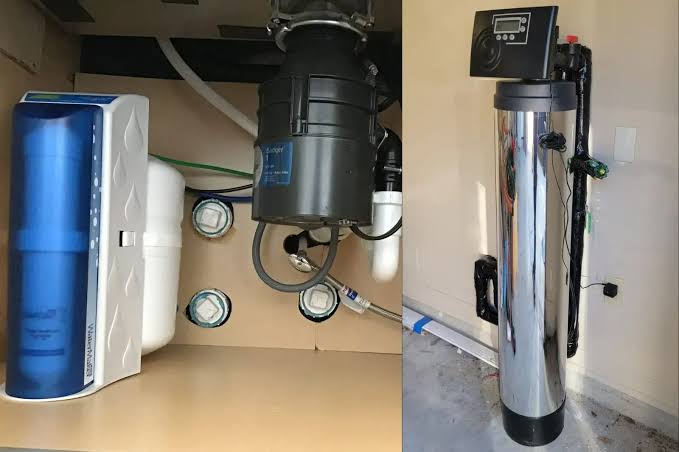
If hard water is causing mineral buildup around faucets, reducing soap lather, or leaving scale on fixtures, a softening system may be appropriate. If the primary concern involves drinking-water taste or particular substances, filtration or another point-of-use treatment approach may make more sense.
Some households may benefit from treating water throughout the home. Others only need treatment at the kitchen sink. Occasionally, a combination makes sense.
The goal isn’t to install the most equipment. It’s to install the right equipment.
Don’t Ignore the Everyday Clues
Your house often tells you something about its water before you ever see a test result.
Look at the showerhead. Check around faucet aerators. Notice whether glasses develop cloudy spots after washing. Pay attention to how much soap or detergent you’re using and whether fixtures seem to accumulate scale unusually quickly.
Taste and smell matter too. A noticeable chlorine odor, metallic taste, sulfur-like smell, or sudden change deserves attention, particularly when it appears unexpectedly.
None of these observations alone can diagnose a water-quality problem. They are clues, not laboratory results. Still, they’re worth mentioning when discussing testing because they can help narrow down what should be investigated.
The Equipment Is Only Half the Story
Even a properly selected system won’t deliver its best performance forever without care.
Filters eventually need replacement. Softening systems need appropriate upkeep. Components wear, settings may require adjustment, and changes in household water use can affect performance over time.
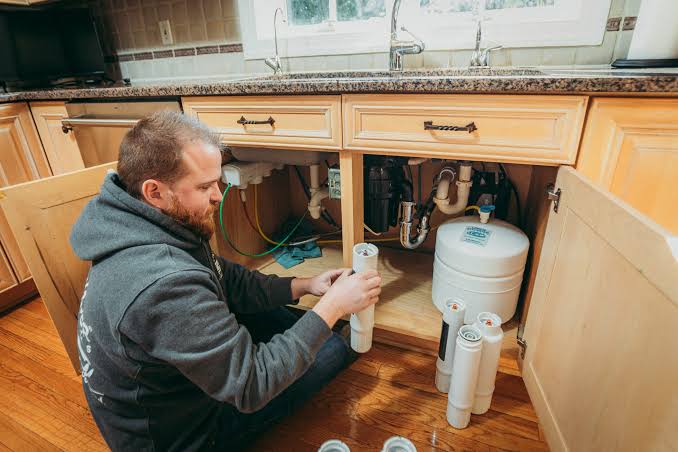
This is why professional installation & maintenance matters beyond simply getting equipment connected on day one. Correct sizing, proper setup, routine inspection, and timely replacement of consumable components can all influence how consistently a system performs.
There’s a practical benefit here too: maintenance can catch small issues before they become irritating ones.
Nobody wants to discover that a neglected filter has been overdue for replacement for months.
Think About the Whole Household
Water treatment isn’t only about what ends up in a drinking glass.
The same water moves through the water heater, washing machine, dishwasher, showers, faucets, and other fixtures every day. When water contains high mineral levels, for instance, the effects may appear throughout the house rather than at one faucet.
That broader perspective can change the treatment decision.
A family mainly concerned about drinking-water taste may focus on the kitchen. Someone battling scale in bathrooms, laundry, appliances, and plumbing may need to think beyond a single tap.
There isn’t a universal answer because homes — and the people living in them — aren’t universal either.
Better Decisions Begin With Better Information
Water treatment can sound complicated once terms such as hardness, filtration, reverse osmosis, dissolved solids, iron, pH, and contaminants enter the conversation. It doesn’t have to become a science project, though.
Start with what you’re noticing. Test where appropriate. Understand what the results actually mean, and then consider solutions designed for those specific findings.
That order matters.
Buying equipment first and asking questions afterward can lead to unnecessary expense or a system that doesn’t address the original concern. A measured approach may take a little longer upfront, but it’s far more likely to produce water that genuinely feels better suited to your household.
In the end, good water treatment isn’t really about collecting machines in a utility room. It’s about knowing your water well enough to make sensible choices — and then keeping the solution working the way it should.