A comfortable home is about more than attractive furniture or the right thermostat setting. It’s the little things you notice every day: clean water from the kitchen tap, a shower that feels good, rooms that stay comfortable when the weather turns nasty, and utility bills that don’t seem completely out of control.
Modern home systems can make these everyday comforts easier to achieve, especially when water treatment and HVAC efficiency are considered together. From cleaner water to smarter temperature control, a few thoughtful upgrades can make a home feel noticeably better without turning it into a complicated science project.
Start by Understanding Your Home’s Water
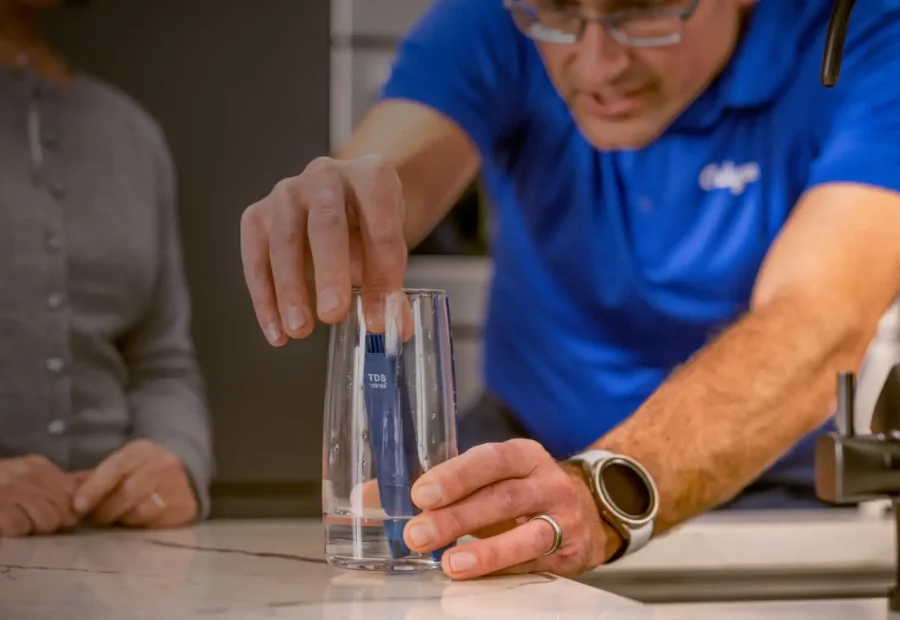
Water can look perfectly clear and still contain minerals, chlorine, sediment, or other substances that affect its taste, appearance, and performance. Hard water, for instance, may leave white spots on faucets and glassware or cause scale to build up inside water-using appliances.
Before purchasing any treatment system, it makes sense to understand what’s actually in your water. A professional water test can reveal hardness levels, chlorine, iron, sediment, pH, and other characteristics.
That information matters because there isn’t one filter that solves every water-quality issue. Choosing equipment based on actual water conditions is usually more effective than buying a system simply because it has a long list of features.
Whole-Home Filtration Can Make Daily Water Use Easier
For households that want treated water throughout the property, whole home water filtration can be a practical option. Instead of filtering water at just one faucet, a whole-home system treats water as it enters the house.
Depending on the filter media and system design, filtration may reduce sediment, chlorine, unpleasant odors, and certain contaminants. This means treated water can be available for drinking, cooking, bathing, laundry, and other everyday uses.
Of course, filtration performance depends heavily on the type of system installed. A sediment filter isn’t designed to perform the same job as a carbon filter, and neither should be expected to solve hardness problems. Matching the technology to the water is the important part.
Hard Water Has More Than One Annoyance
Hard water isn’t necessarily a health concern, but it can become a persistent household nuisance. Mineral deposits can collect around faucets, showerheads, sinks, and appliances. Soap may also struggle to lather properly, leaving bathrooms and kitchens needing more frequent cleaning.
This is where water softening can be useful. A conventional water softener reduces calcium and magnesium, the minerals primarily responsible for water hardness. With less hardness moving through the plumbing, homeowners may see less scale buildup and easier cleaning.
Softened water can also help protect water heaters, dishwashers, washing machines, and other equipment that regularly uses water. It won’t make every water problem disappear, but for a genuinely hard-water household, the difference can be surprisingly noticeable.
When Drinking Water Needs Extra Treatment
Whole-home filtration isn’t always enough when the primary concern is drinking-water purity. Some homeowners prefer an additional treatment stage at the kitchen sink.
A reverse osmosis system can reduce many dissolved substances by forcing water through a semi-permeable membrane. These systems are commonly installed beneath kitchen counters and are particularly useful when homeowners want highly treated water for drinking and cooking.
RO does have trade-offs. Filters and membranes need periodic replacement, and the process can produce wastewater. That’s why it should be selected based on water quality and household needs rather than treated as an automatic upgrade for every kitchen.
Comfort Means Heating in the Winter
Water isn’t the only system worth considering when improving a home. Heating equipment becomes essential when winter temperatures arrive, and efficiency matters because heating can represent a substantial portion of household energy use.
Regular maintenance helps heating systems operate more reliably. Dirty filters, restricted airflow, worn components, and poorly maintained equipment can make a system work harder than necessary.
Good insulation also matters. Even the best heating equipment can’t compensate completely for a home that constantly loses warm air through poorly sealed doors, windows, walls, or ductwork.
Cooling in the Summer Without Wasting Energy
Summer creates the opposite challenge. Air-conditioning systems may run for hours as outdoor temperatures climb, particularly during long stretches of hot weather.
Simple maintenance can make a difference. Replacing filters, keeping outdoor condenser units clear, checking airflow, and scheduling professional inspections can help equipment operate properly.
A programmable or smart thermostat can also prevent unnecessary cooling when nobody is home. There’s little benefit in maintaining an empty house at the same temperature you prefer when you’re relaxing on the sofa.
How to Use Less Energy Without Sacrificing Comfort
The goal isn’t to sit in a freezing room during winter or sweat through the summer just to save money. Instead, homeowners can look for ways to use less energy while maintaining a comfortable indoor environment.
Sealing air leaks, improving insulation, maintaining ductwork, and choosing appropriately sized HVAC equipment can all contribute. Energy-efficient appliances and smart controls can add another layer of savings.
Sometimes the simplest changes are overlooked. Closing blinds during intense afternoon sunlight, using ceiling fans appropriately, and keeping interior doors positioned to support airflow can help reduce the workload on heating and cooling equipment.
Maintenance Is Where Long-Term Results Come From
Home systems tend to perform better when they’re maintained before something goes wrong. Water filters need to be changed, softener components need attention, and RO membranes eventually need replacement.
HVAC systems have their own maintenance requirements. Seasonal inspections can identify small problems before they become expensive emergency repairs.
It’s easy to postpone these tasks when everything appears to be working. Then one day, the air conditioner stops on the hottest afternoon of the year. A little preventive care is usually much less inconvenient.
A Better Home Starts With Practical Choices
Improving a home doesn’t always require a major renovation. Sometimes it’s about understanding the systems already working behind the scenes and making smarter decisions about how they’re maintained.
Test the water before selecting treatment equipment. Choose filtration or softening based on actual problems. Consider reverse osmosis when drinking-water purification calls for it. Keep heating equipment ready for winter and cooling equipment prepared for summer.
The result isn’t just cleaner water or a lower utility bill. It’s a home that works more comfortably day after day. And honestly, that’s what good home technology should do — quietly make everyday life a little easier without constantly demanding your attention.