Water is one of those resources businesses often take for granted—until something goes wrong. A strange taste, mineral buildup, clogged equipment, inconsistent pressure, or rising utility costs can quickly turn an everyday resource into an operational headache. For businesses that depend heavily on water, getting the right treatment and management approach isn’t simply about convenience. It can affect efficiency, equipment life, operating costs, and even customer confidence.
That’s why modern businesses are paying closer attention to commercial water solutions. Rather than relying on a one-size-fits-all system, companies can choose technologies based on their water source, usage patterns, facility size, and specific operational needs. The goal isn’t necessarily to make water “perfect.” It’s to make it fit the job it needs to do.
Why Water Quality Matters More Than You Might Think
Water can look perfectly clean and still contain dissolved minerals, sediment, chlorine, microorganisms, or other unwanted substances. The exact concerns vary considerably depending on location and water source.
For businesses, water quality can influence far more than what comes out of a drinking fountain. Hard water, for example, can leave mineral deposits inside pipes, heaters, boilers, dishwashers, and other equipment. Over time, those deposits may reduce efficiency and increase maintenance requirements.
Restaurants have their own concerns. Water affects food preparation, ice machines, coffee equipment, dishwashing, and cleaning. A hotel might need consistent water performance across hundreds of rooms. Healthcare facilities, laboratories, and manufacturing operations can have even more demanding requirements.
In other words, water isn’t just water when you’re running a business.
Understanding the Needs of Industrial Facilities
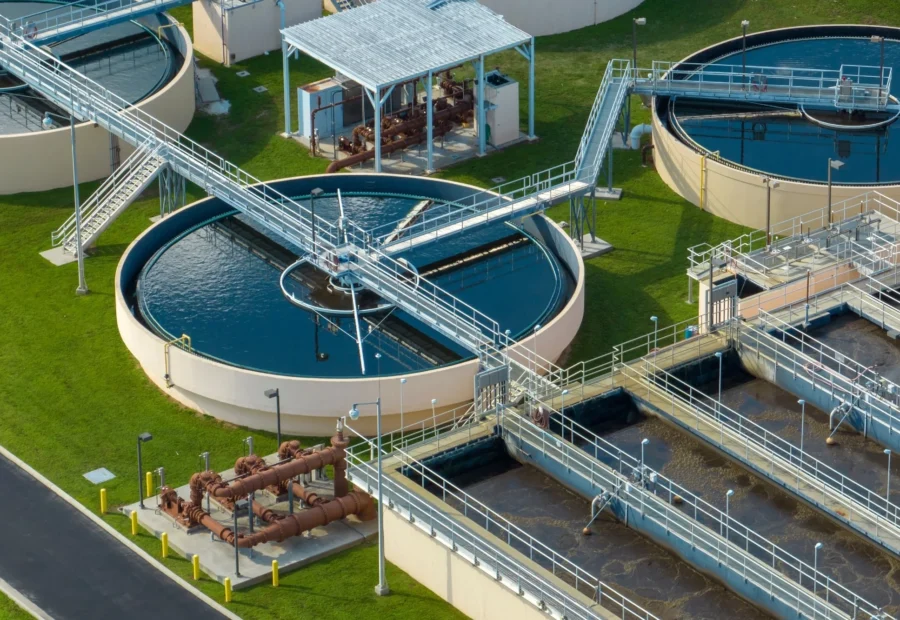
Large-scale operations often use enormous volumes of water every day. Manufacturing processes, cooling systems, boilers, cleaning operations, and production lines may all depend on reliable water supplies.
For industrial facilities, the treatment strategy needs to be based on actual operating conditions rather than guesswork. Water chemistry, flow rates, temperature, pressure, equipment specifications, and discharge requirements can all influence the appropriate system.
Depending on the application, treatment may involve sediment filtration, activated carbon, water softening, reverse osmosis, ultraviolet treatment, or other technologies. Some facilities may need a combination of several processes.
The important thing is balance. Installing more treatment than necessary can increase costs and maintenance. Installing too little may leave equipment vulnerable. A properly designed system aims for the middle ground—adequate protection without unnecessary complexity.
Hard Water Can Become an Expensive Problem
Hard water is common in many areas and contains elevated levels of minerals such as calcium and magnesium. While it isn’t necessarily a major health concern, it can create plenty of practical problems for businesses.
Scale can accumulate inside water heaters, boilers, pipes, fixtures, and processing equipment. That buildup can restrict flow and make heating systems work harder. In a busy commercial environment, even small efficiency losses can add up over months and years.
Water softeners can help by reducing hardness before the water reaches equipment or specific points of use. But again, the right setup depends on the application. A small office and a large manufacturing operation don’t have the same water demands, so their treatment systems shouldn’t necessarily look alike.
Filtration Isn’t Just About Drinking Water
When people hear “water filtration,” they often think about a drinking-water dispenser under a kitchen sink. Commercial filtration can be much broader than that.
Different filters target different concerns. Sediment filters can capture particles such as sand, dirt, and rust. Activated carbon can help reduce chlorine and certain compounds that affect taste and odor. More advanced membrane technologies can address dissolved contaminants and other specific water-quality concerns.
The key is knowing what you’re trying to remove.
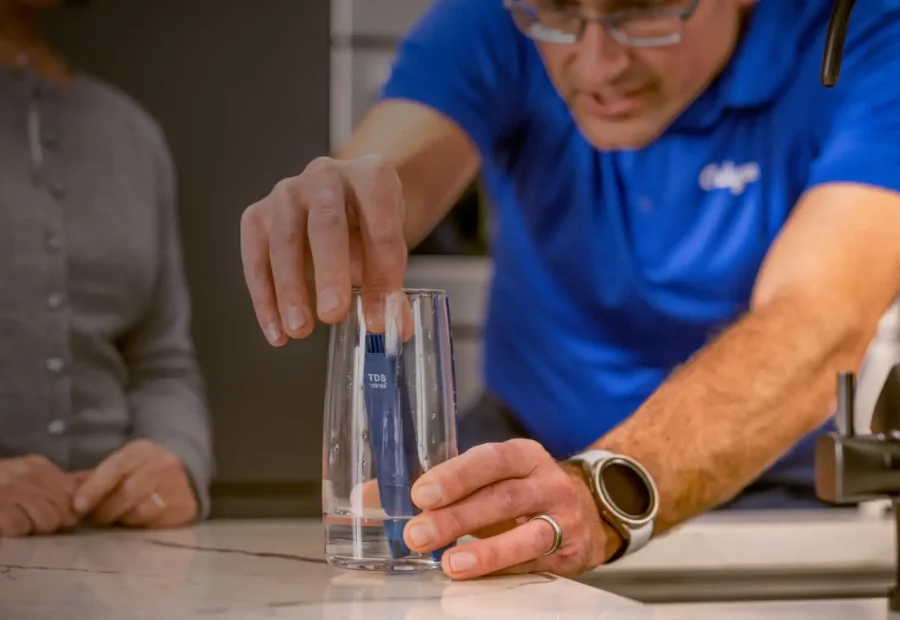
Testing the incoming water is a sensible first step because it provides a clearer picture of what’s actually present. From there, a treatment professional can determine which technologies make sense instead of simply recommending equipment based on assumptions.
Water Treatment Can Protect Equipment
Replacing commercial equipment isn’t cheap. Boilers, coffee machines, ice makers, laundry systems, cooling equipment, and production machinery can represent significant investments.
Poorly managed water may contribute to corrosion, scale, sediment accumulation, or other problems that shorten equipment life. Treatment doesn’t eliminate every possible failure, of course, but it can reduce certain water-related stresses.
There’s also a maintenance advantage. When equipment stays cleaner internally, technicians may spend less time dealing with preventable buildup and related performance problems.
That can mean fewer interruptions. And in business, downtime has a habit of costing more than expected.
Choosing a System Based on Real-World Usage
One of the biggest mistakes businesses can make is selecting a water treatment system based solely on price or a generic capacity rating.
Start with the basics:
- How much water does the facility use each day?
- Are usage levels consistent or highly variable?
- Where does the water come from?
- What contaminants or minerals are present?
- Which equipment is most sensitive to water conditions?
- Does the business need treated water everywhere or only at certain points?
- How frequently can the system realistically be maintained?
These questions help narrow down the options.
A point-of-use system may be perfectly suitable for drinking water in an office. A hotel, restaurant, or factory might require a broader treatment strategy. Sometimes a combination of whole-building and point-of-use treatment is the most practical arrangement.
Maintenance Should Be Part of the Plan
Even a well-designed water treatment system needs attention. Filters eventually become exhausted, membranes require maintenance, softeners need appropriate servicing, and mechanical components can wear out.
Ignoring maintenance defeats much of the purpose of installing treatment equipment in the first place.
Businesses should understand the expected service schedule before choosing a system. It’s also worth considering whether replacement filters and service parts are readily available. A system that looks inexpensive at installation can become frustrating if maintenance is complicated or difficult to schedule.
Keeping basic service records helps, too. Tracking filter changes, inspections, water testing, and repairs makes it easier to spot unusual patterns before they become major problems.
The Long-Term Value of Better Water Management
Good water management isn’t always dramatic. Sometimes the benefit is simply fewer scale deposits, better-tasting drinking water, more reliable equipment, or less frequent maintenance. Those improvements may seem small individually, but together they can have a meaningful effect on daily operations.
There’s another consideration: sustainability. Reducing unnecessary water waste, improving equipment efficiency, and selecting treatment technologies carefully can support broader environmental goals without turning water management into a complicated project.
Ultimately, the best approach is practical. Understand the water, understand the business, and then choose technology that connects the two.
Water may be a basic resource, but managing it well is anything but basic. For businesses that depend on dependable water every day, thoughtful treatment can quietly become one of the smarter investments they make. Not flashy, perhaps—but useful, measurable, and built to keep things running when nobody has time for another avoidable problem.