There’s something particularly annoying about cleaning your bathroom on a Saturday morning, only to discover fresh white deposits around the faucets a few days later. The dishwasher leaves cloudy glasses, your favorite towels feel rough, and no matter how much soap you use, something seems off. If these experiences sound familiar, hard water could be responsible.
For homeowners researching water softeners in the treasure valley, understanding the causes of excessive water hardness is an important first step toward finding lasting relief from these everyday frustrations.
Fortunately, managing hard water doesn’t have to involve complicated changes to your household plumbing. With suitable equipment and a little knowledge about your water supply, you can make everyday life considerably more comfortable.
What Makes Water Hard in the First Place?
As water travels through underground soil and rock formations, it naturally collects dissolved minerals, particularly calcium and magnesium. The concentration of these minerals determines its hardness.
Although hard water isn’t generally considered a health hazard on its own, it can create plenty of inconveniences around the house.
Mineral deposits gradually accumulate on plumbing fixtures, showerheads, and inside certain appliances. Soap may produce less lather, and freshly washed glassware can develop stubborn white spots.
Homeowners in Boise, Meridian, Nampa, and surrounding communities may experience different levels of hardness depending on their water source.
Rather than assuming your water conditions are identical to your neighbor’s, arranging a hardness test provides a more reliable starting point.
Finding a Practical Way to Deal With Mineral Buildup
Cleaning products can remove existing mineral deposits, but they don’t address the hardness of incoming water. That’s why the same frustrating marks often return shortly after cleaning.
Effective hard water treatment solutions address dissolved minerals before they contribute to additional scale buildup throughout connected household plumbing.
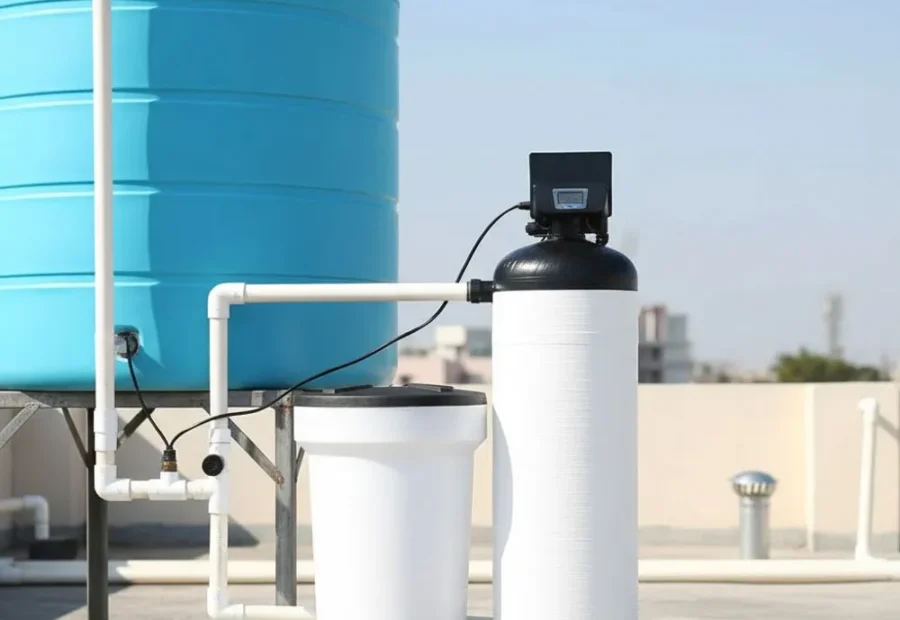
Traditional water softeners use a process known as ion exchange. Water passes through specialized resin beads that capture calcium and magnesium ions, exchanging them for sodium or potassium ions.
The resin is periodically regenerated to restore its treatment capacity.
For households experiencing significant hardness, this process can help reduce new mineral deposits and improve soap performance.
It’s a practical alternative to constantly treating the visible consequences of hard water without addressing its underlying cause.
Why Your Home Deserves a Personalized Softening System
Choosing a water softener involves more than selecting the largest model or purchasing whatever happens to be on sale.
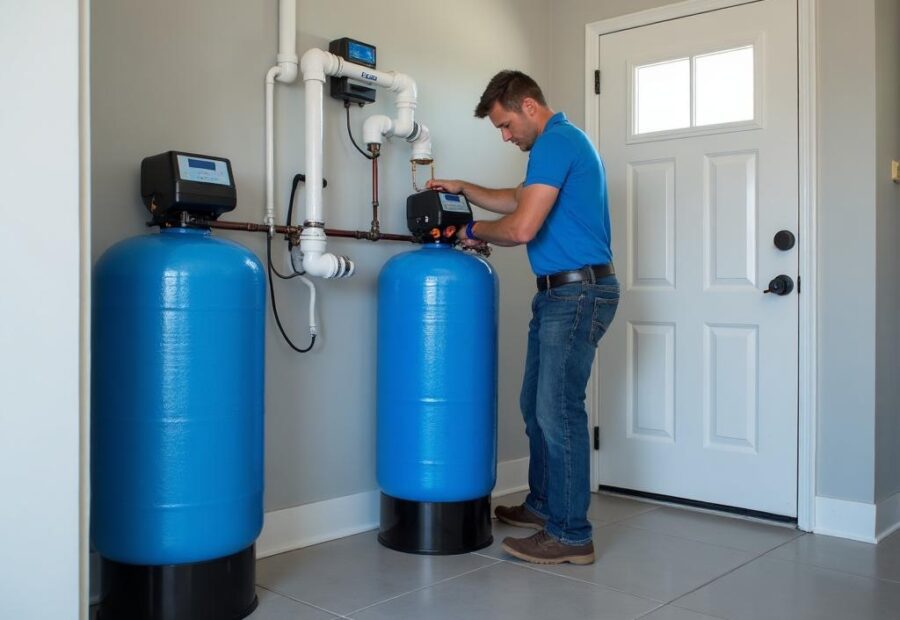
Well-designed customized water softener solutions take into account measured hardness levels, household consumption, peak flow requirements, and existing plumbing conditions.
A family of five with multiple bathrooms will naturally have different needs from a retired couple living in a smaller property.
Undersized equipment may require frequent regeneration or struggle to meet household demand. Unnecessarily large equipment, meanwhile, could increase initial purchasing expenses.
It’s also worth considering whether your water contains elevated iron or other substances that could interfere with softener performance.
A personalized approach helps ensure you’re investing in equipment that fits your household rather than adapting your lifestyle around the equipment.
Enjoying the Little Differences Softer Water Can Make
The benefits of water softening often become noticeable during ordinary household activities.
Soap may lather more easily during showers, towels may feel softer after washing, and bathroom fixtures may become easier to maintain.
You might even find yourself using less detergent once you’ve adjusted your cleaning routine to accommodate softer water.
For anyone accustomed to spending considerable time scrubbing stubborn deposits from shower doors, reducing new scale formation can be a welcome change.
These aren’t necessarily dramatic improvements that transform your home overnight.
Rather, they’re small conveniences that gradually make household responsibilities feel less demanding. And sometimes, getting a little extra time back on the weekend is reason enough to appreciate them.
Giving Your Water-Using Appliances Some Extra Attention
Water heaters, dishwashers, and washing machines represent significant household investments. Naturally, you want them to operate reliably for as long as possible.
Excessive hardness can contribute to scale accumulation inside certain appliance components, particularly where water is heated.
Appropriate softening can help limit new mineral buildup, potentially supporting equipment performance and reducing certain maintenance requirements.
However, installing a softener won’t repair existing mechanical damage or eliminate the need for routine appliance servicing.
Think of water softening as one part of a broader preventive maintenance strategy.
Taking care of your household equipment today may help reduce avoidable maintenance frustrations in the years ahead.
Understanding the Maintenance Behind Water Softening
Traditional water softeners require occasional attention to continue operating effectively. Salt replenishment, periodic cleaning, and appropriate servicing are all important considerations.
Before purchasing equipment, ask about regeneration water consumption, salt requirements, warranty coverage, and long-term maintenance expenses.
Make sure the installation location provides enough space for convenient servicing.
It’s also important to remember that softening isn’t the same as drinking water purification. Additional filtration or specialized treatment may be appropriate depending on laboratory testing results.
Understanding these responsibilities beforehand helps homeowners establish realistic expectations and avoid unnecessary surprises.
Making Softer Water Part of a More Comfortable Home
Life in the Treasure Valley offers plenty of reasons to spend your weekends outdoors rather than repeatedly scrubbing bathroom fixtures.
Managing hard water begins with understanding your supply, choosing appropriately sized equipment, and keeping up with routine maintenance.
A thoughtfully selected water softener can quietly improve many aspects of everyday household life.
Fewer stubborn mineral deposits, easier cleaning, and more enjoyable showers might seem like modest benefits individually. Together, though, they can make your home feel noticeably more comfortable.
Sometimes, the most worthwhile household investments aren’t the ones visitors immediately notice. They’re the ones that make your own daily life just a little easier.