When it comes to choosing the perfect engagement ring, many couples are exploring alternatives to traditional diamonds. One option that has gained popularity in recent years is moissanite. Known for its brilliance and durability, moissanite offers a stunning and budget-friendly choice for those seeking an elegant symbol of love. For those also considering other ethical and cost-effective options, lab grown diamond engagement rings provide a similar allure, making it easier to compare and understand the unique benefits of moissanite.
Moissanite is a gemstone made of silicon carbide, discovered in the late 19th century and initially found in meteorites. Its rarity in nature made it impractical for widespread use until scientists developed methods to create high-quality synthetic moissanite. Today, almost all moissanite used in jewelry is lab-created, ensuring consistent quality, clarity, and brilliance. Its colorless appearance often rivals that of diamonds, and its light-reflecting properties are highly regarded, often producing more sparkle than natural diamonds. This makes it an attractive option for engagement rings that require a striking and eye-catching centerpiece.
One of the key advantages of moissanite engagement rings is their affordability. While diamonds can be prohibitively expensive, moissanite provides a similar visual appeal at a fraction of the cost. This allows couples to choose larger stones or more intricate designs without exceeding their budget. Additionally, the lower price point opens the door to exploring creative ring settings and styles that might not be feasible with traditional diamonds.
Durability is another reason moissanite has become a popular choice for engagement rings. On the Mohs scale of hardness, moissanite ranks at 9.25, making it highly resistant to scratches and everyday wear. While diamonds remain the hardest known gemstone at 10 on the Mohs scale, moissanite’s toughness ensures it can endure daily use while maintaining its shine and sparkle for years. This makes it a practical choice for those seeking a long-lasting symbol of commitment.
Ethical considerations also play a significant role in the appeal of moissanite. Lab-created gemstones, including moissanite, are free from the environmental and social concerns often associated with traditional diamond mining. Many couples prioritize sustainability and responsible sourcing when choosing their engagement rings, and moissanite aligns perfectly with these values. This consideration, combined with its affordability and beauty, makes moissanite an increasingly popular choice for conscious consumers.
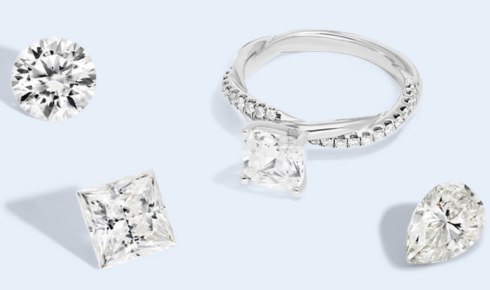
When selecting a moissanite engagement ring, it’s important to consider the cut, clarity, and size of the stone, just as one would with a diamond. The cut significantly influences the gem’s brilliance, while clarity determines how free the stone is from inclusions or imperfections. Because moissanite is lab-created, it typically has very few internal flaws, resulting in a clean and sparkling appearance. Couples can also explore different shapes, including classic round cuts, princess cuts, and oval designs, to find the style that best suits their taste.
In conclusion, moissanite engagement rings offer an exceptional blend of beauty, durability, and ethical appeal. For couples exploring alternatives to traditional diamonds, moissanite provides a sparkling, cost-effective option that doesn’t compromise on elegance. When paired with the growing popularity of lab grown diamond engagement rings, it’s clear that modern couples have access to a variety of stunning, responsible, and affordable choices for their engagement jewelry. By understanding the unique properties and advantages of moissanite, individuals can make informed decisions that reflect both their personal style and their values.