A pond can completely change the atmosphere of a property. It adds character to a garden, creates a peaceful setting for visitors, and can provide a valuable habitat for fish, plants, insects, and birds. But a pond is more than an attractive feature. It is a living water system, and like any living system, it needs the right conditions to remain healthy.
Water quality can decline for several reasons. Leaves and organic waste collect at the bottom, rainfall carries soil and fertilizer into the water, and sunlight encourages algae growth. If these problems are ignored, the pond may become cloudy, develop unpleasant odors, or lose the balance needed to support aquatic life.
Keeping pond water in good condition requires more than occasional cleaning. It involves understanding the source of contamination, improving circulation, managing nutrients, and selecting treatment methods that suit the pond’s purpose.
Why Pond Water Quality Changes Over Time
Ponds are constantly affected by their surroundings. During heavy rain, runoff can carry sediment, lawn chemicals, animal waste, and other pollutants into the water. Nearby trees may contribute leaves, twigs, pollen, and seeds. Wildlife can also add organic matter, which slowly breaks down and changes the water’s chemistry.
As leaves and other materials decompose, they release nutrients such as nitrogen and phosphorus. These nutrients can encourage algae and aquatic weeds to grow rapidly. While some algae is normal, excessive growth can reduce oxygen levels and interfere with the pond’s natural balance.
Sediment buildup is another common issue. Soil entering the pond settles at the bottom, making the water shallower and reducing its capacity. Shallow ponds warm faster, and warmer water often creates more favorable conditions for algae and weed growth.
The first step in improving water quality is to understand what is causing the problem. Green water, foul odors, cloudy conditions, and stressed fish may each point to different underlying issues.
Understanding Pond Water Treatment
Pond water treatment includes the processes used to improve water clarity, control unwanted growth, reduce organic waste, and maintain a healthier aquatic environment. The right treatment depends on the pond’s size, depth, water source, surrounding landscape, and intended use.
Some ponds may benefit from biological treatments that encourage beneficial bacteria to break down sludge and organic material. Others may require mechanical filtration, aeration, algae control, or sediment removal. A pond containing fish or sensitive aquatic plants needs a more careful approach than a simple decorative water feature.
Water testing can help determine what the pond actually needs. Depending on the situation, testing may examine pH, dissolved oxygen, ammonia, nitrates, phosphates, turbidity, and bacterial levels. These results can reveal whether the main concern is nutrient overload, poor circulation, contamination, or another water-quality issue.
Treatment products should always be used according to their instructions. Applying excessive chemicals may harm fish, plants, insects, and beneficial microorganisms. A successful treatment plan improves the pond without upsetting its natural ecosystem.
The Importance of Filtration
Filtration plays a major role in maintaining clear and healthier pond water. It helps remove suspended particles, organic debris, and other materials that can make water appear dirty or contribute to poor conditions.
Mechanical filters capture physical particles such as leaves, sediment, and fine debris. Biological filters provide surfaces where beneficial bacteria can grow. These bacteria help break down organic waste and convert harmful substances into less dangerous forms.
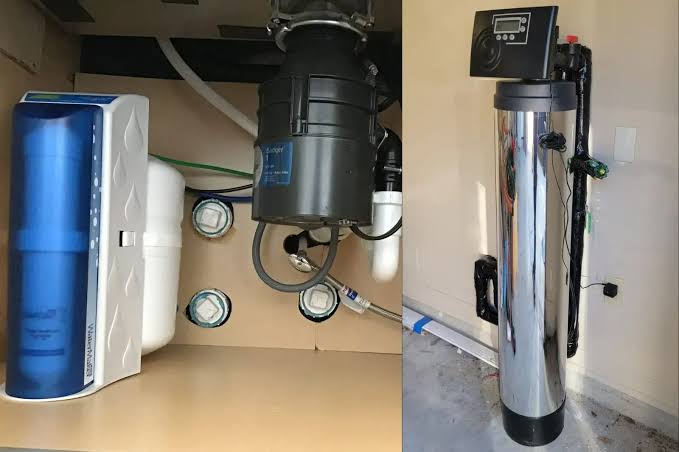
Not every pond needs the same type of filtration. Small ornamental ponds may use compact filter boxes or pressure filters, while larger ponds may require a combination of skimmers, biological chambers, settling tanks, and external filtration equipment.
This is where customized filtration systems can offer real value. A system designed around the pond’s volume, flow rate, depth, fish population, and maintenance requirements is more likely to perform effectively than a generic unit chosen simply because it is inexpensive or widely advertised.
A properly sized filter also helps reduce maintenance problems. An undersized system may become clogged quickly, while an oversized or poorly designed system may waste energy without delivering meaningful benefits.
Improving Circulation and Oxygen Levels
Water movement is essential for many ponds, especially those containing fish or experiencing frequent algae problems. Stagnant water can become depleted of oxygen, develop unpleasant odors, and encourage the accumulation of organic waste.
Aerators, fountains, waterfalls, and circulation pumps help move water and introduce oxygen. Aeration is particularly useful in deeper ponds, where oxygen may not naturally reach the lower layers.
Better circulation also prevents certain areas from becoming stagnant. It helps distribute oxygen more evenly and supports the beneficial microorganisms responsible for breaking down organic matter.
However, equipment should be selected carefully. A pump that is too weak may have little effect, while a system that is too powerful could disturb sediment, stress fish, or damage delicate plants. The design should reflect the pond’s size, shape, depth, and biological needs.
Managing Algae Naturally and Safely
Algae is one of the most noticeable pond-water problems. It may appear as green water, floating mats, string-like growth, or a slippery coating around the edges. Excessive algae often indicates that the pond contains too many nutrients or receives too much sunlight.
Reducing nutrient input is one of the most effective long-term strategies. Avoid allowing fertilizer, grass clippings, compost, and animal waste to wash into the pond. Planting a vegetated buffer around the water can help absorb runoff before it reaches the pond.
Shade can also limit algae growth. Carefully selected aquatic plants or nearby landscaping may reduce direct sunlight, though plants should be managed so that dead material does not accumulate excessively.
Algae treatments can be useful in certain situations, but the type of algae should be identified first. Some products are designed for specific algae species and may harm fish or aquatic plants if used incorrectly. Professional advice is especially important when the pond supports wildlife or stocked fish.
Identifying Specific Water-Quality Concerns
A pond may contain more than visible debris or algae. Depending on its location and surroundings, it could be affected by bacteria, pesticides, fertilizers, metals, sewage contamination, or other pollutants.
Testing helps identify specific contaminants that may not be visible. For example, high nutrient levels may indicate runoff from nearby landscaping, while bacterial contamination could be connected to animal waste or failing drainage systems.
The intended use of the pond should guide the testing process. A decorative pond has different requirements from one used for irrigation, livestock, fishing, swimming, or other forms of direct contact. Water that looks clean is not automatically safe for every purpose.
If contamination is suspected, avoid using the water until it has been assessed. Chemical treatment alone may not solve every problem, particularly when pollutants are entering the pond continuously from an outside source.
Reducing Runoff and Preventing Future Problems
Long-term pond maintenance begins outside the water. Managing the surrounding landscape can reduce the amount of pollution entering the pond in the first place.
Keep fertilizers, pesticides, fuel, paint, and cleaning chemicals away from drainage routes. Repair erosion-prone areas and use plants or ground cover to stabilize exposed soil. Gutters and downspouts should be directed carefully so they do not carry excessive sediment directly into the pond.
Removing leaves and floating debris regularly also helps. Organic material is easier to manage when it is collected before sinking and decomposing. In ponds with significant sediment buildup, professional dredging or sludge removal may be necessary.
Creating a Practical Maintenance Routine
A consistent maintenance schedule is usually more effective than occasional emergency cleaning. Inspect pumps, aerators, filters, and fountains regularly. Remove surface debris, monitor algae growth, and check for unusual odors or changes in water color.
Water testing should be repeated when conditions change, especially after heavy rainfall, flooding, construction, or chemical runoff. Keep a record of test results and treatment applications so that patterns can be identified over time.
If fish begin gasping at the surface, gathering near water movement, or showing unusual behavior, oxygen levels and water chemistry should be checked promptly. These signs may indicate that the pond’s conditions are becoming stressful.
Final Thoughts
Healthy pond water does not happen by accident. It depends on a balance between circulation, filtration, nutrient control, biological activity, and regular maintenance. Treating only the visible symptoms may offer temporary improvement, but understanding the cause creates a more lasting solution.
By testing water, reducing runoff, improving oxygen levels, choosing suitable filtration, and using treatment products responsibly, pond owners can protect the beauty and function of their water feature.
A well-maintained pond is not necessarily a perfectly sterile pond. It is a balanced environment where water quality supports aquatic life, protects the surrounding landscape, and remains suitable for its intended purpose. With the right approach, that balance is achievable—and worth maintaining.