Most people don’t give their water heater a second thought when everything is working properly. Hot showers, clean dishes, and freshly washed clothes are simply part of everyday life. But the moment that familiar supply of warm water disappears, things become rather inconvenient.
What’s frustrating is that many water heater problems develop gradually. Strange noises, inconsistent temperatures, and slightly higher energy bills can be early indications that something isn’t quite right.
Ignoring these symptoms may eventually lead to expensive repairs or unexpected equipment failure.
Fortunately, looking after your water heating system doesn’t have to be complicated. Understanding its maintenance requirements, recognizing when an upgrade makes sense, and knowing how to respond during an emergency can help keep your household comfortable throughout the year.
Regular Maintenance Makes a Bigger Difference Than You Think
Like most household appliances, water heaters experience wear and tear through regular use. Components deteriorate, minerals accumulate, and heating performance may gradually decline.
Routine water heater maintenance helps identify developing problems, maintain equipment efficiency, and potentially extend the useful life of the system.
Traditional storage-tank heaters can accumulate sediment over time, particularly in areas with hard water. This buildup may contribute to unusual rumbling sounds and interfere with efficient heat transfer.
Periodic flushing, when recommended by the manufacturer, can help manage sediment accumulation.
Tankless systems require attention as well. Mineral deposits may develop inside their heat exchangers, making professional descaling necessary at appropriate intervals.
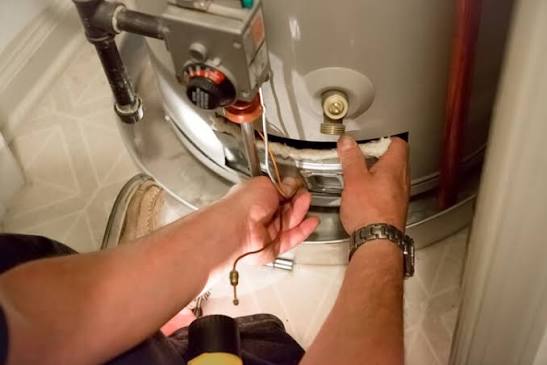
A qualified technician can also inspect valves, heating components, connections, and safety mechanisms.
These inspections might seem unnecessary when everything appears to be working perfectly. However, discovering a worn component during routine servicing is considerably more convenient than dealing with a complete breakdown on a busy Monday morning.
A little preventive care can go a long way.
Knowing When Your Current System Needs an Upgrade
There comes a point when repairing an aging appliance repeatedly no longer makes financial sense. Water heaters are no exception.
Investing in water heater upgrades can provide homeowners with improved heating performance, greater energy efficiency, and equipment better suited to their household’s changing requirements.
Perhaps your family has grown since the original heater was installed. There are more showers, additional laundry loads, and considerably greater demand for hot water.
An older system that once met your needs comfortably may now struggle to keep up.
Modern storage-tank heaters, tankless units, and heat pump water heaters offer different advantages depending on household requirements and installation conditions.
When comparing available options, consider energy consumption, equipment capacity, installation expenses, and ongoing operating costs.
Don’t automatically assume that switching to a completely different technology is necessary. Sometimes, replacing an outdated unit with a more efficient version of the same type provides a practical solution.
The right upgrade should make everyday life easier without introducing unnecessary financial pressure.
What to Do When Your Water Heater Suddenly Fails
Water heater emergencies rarely happen at convenient times. You might discover a leaking tank late at night or wake up to find that there’s absolutely no hot water available.
Professional emergency water heater repair services help property owners address urgent equipment failures, significant leaks, malfunctioning components, and unexpected interruptions to their hot water supply.
Not every breakdown requires immediate replacement. A faulty thermostat, damaged heating element, or ignition problem may be repairable, depending on the equipment’s condition.
However, significant water leakage deserves prompt attention.
If it’s safe to do so, isolate the water supply to the affected equipment and contact a qualified professional. Avoid touching electrical components or entering flooded areas near electrical outlets.
If you smell gas, leave the property immediately and contact the gas utility or emergency services from a safe location.
Having a dependable plumber’s contact information readily available can make these situations considerably less stressful.
Recognizing the Warning Signs of Equipment Trouble
Water heaters often provide clues before experiencing a complete breakdown. Unfortunately, these signs can be easy to dismiss when hot water is still available.
Pay attention to symptoms such as:
- Unusual popping, rumbling, or banging noises.
- Inconsistent water temperatures.
- Rust-colored water from hot water faucets.
- Moisture collecting around the equipment.
- Unexpected increases in energy consumption.
- Hot water running out sooner than usual.
These symptoms can have several underlying causes, ranging from mineral accumulation to deteriorating components.
Arranging an inspection early allows professionals to determine what’s actually happening rather than relying on guesswork.
Understanding How Hard Water Affects Heating Equipment
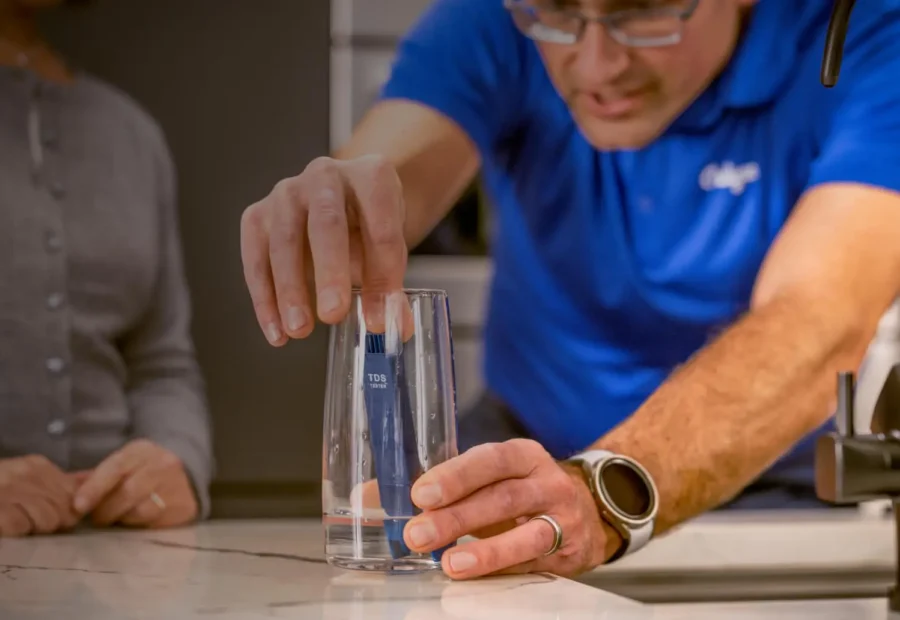
Hard water contains dissolved minerals, primarily calcium and magnesium. When heated, some of these minerals can accumulate on internal surfaces and heating components.
Over time, excessive buildup may reduce equipment efficiency and increase servicing requirements.
Properties experiencing significant hardness problems may benefit from appropriately selected water softening equipment.
However, treatment systems should be chosen according to actual water conditions and equipment requirements.
Combining suitable water treatment with routine servicing can help manage mineral-related problems and protect other household appliances as well.
Repair or Replace? Making a Sensible Financial Decision
Deciding whether to repair an existing water heater or purchase a replacement isn’t always straightforward.
Consider the equipment’s age, overall condition, repair history, and expected future operating expenses.
A relatively inexpensive repair on a well-maintained unit might make perfect sense. Spending substantial amounts repairing an aging system with recurring problems, though, could become an expensive short-term solution.
Ask your plumber to explain the available alternatives, including anticipated costs and potential benefits.
Understanding these details helps you make a decision based on long-term value rather than immediate inconvenience.
Enjoying Dependable Hot Water Without Unnecessary Worries
A well-maintained water heater quietly supports countless household activities. You shouldn’t have to wonder whether there’ll be enough warm water for your morning shower or worry about unexpected leaks developing overnight.
Regular servicing, timely repairs, and carefully considered equipment replacements can help maintain dependable performance.
Start by paying attention to your current system. Address unusual symptoms promptly and seek qualified professional assistance whenever necessary.
Ultimately, taking care of your water heater is about more than maintaining an appliance. It’s about protecting your home, managing household expenses, and enjoying the simple comfort of reliable hot water whenever you need it.